
Fabric, stitch and pigment, made approachable
Hands-on textile and mixed-media guides from a working table — how materials behave, how a technique actually goes, and what to try next in cloth, stitch, pigment and cut wood.
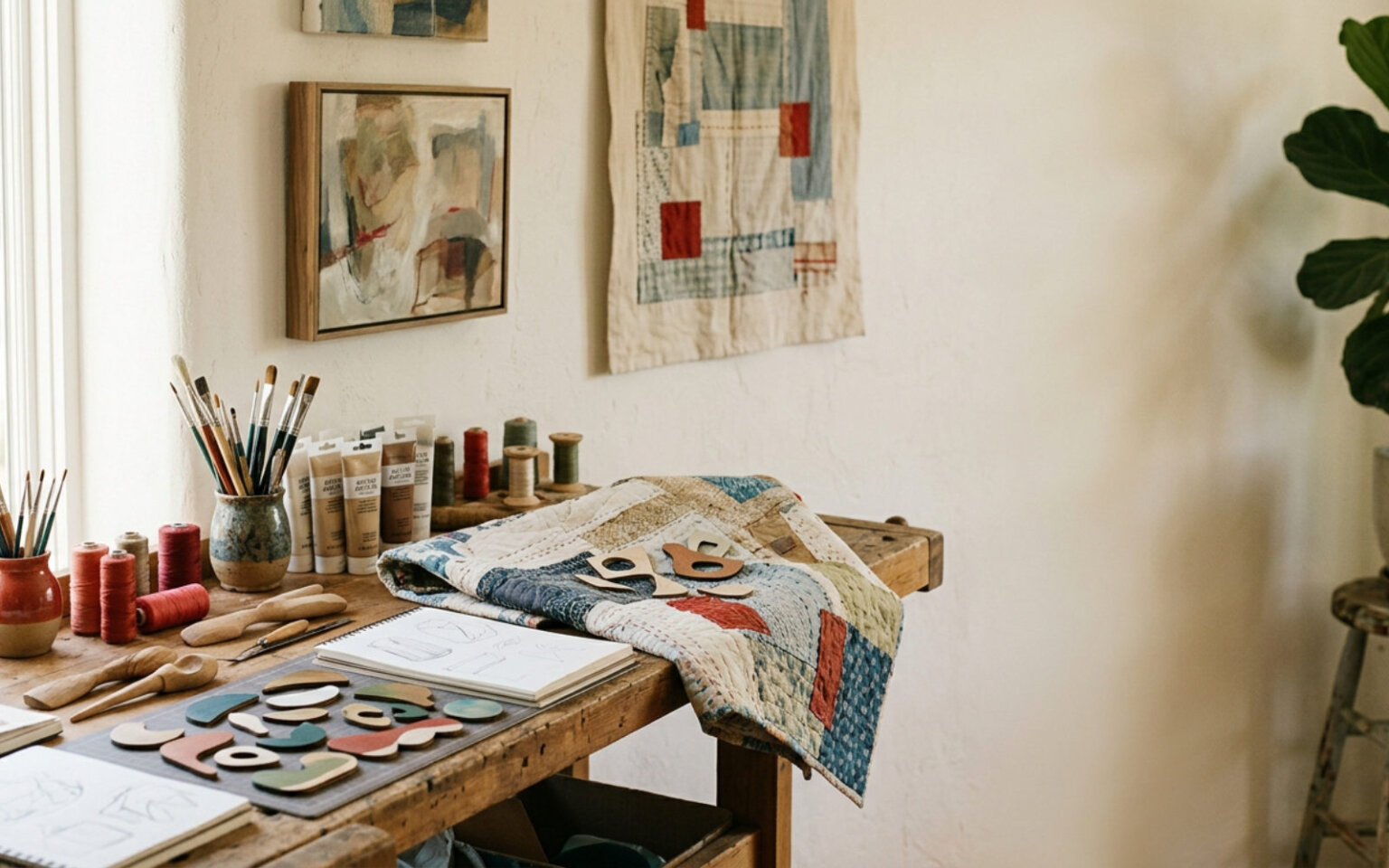
Latest notes
Write-ups on cloth, stitch, pigment and wood — materials first, then the steps that got there.
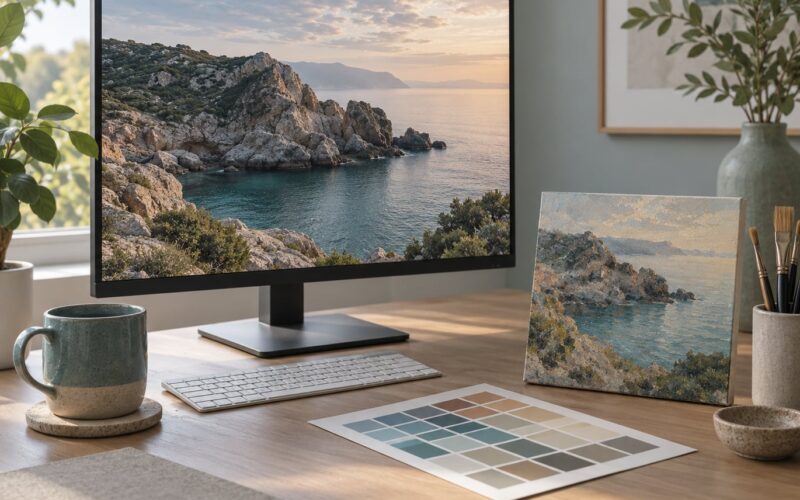
How to Edit Art Photos for Accurate Color, Proven in 2026
Learn how to edit art photos for accurate color in , preserve texture, and export consistent images for portfolios, prints, and listings…
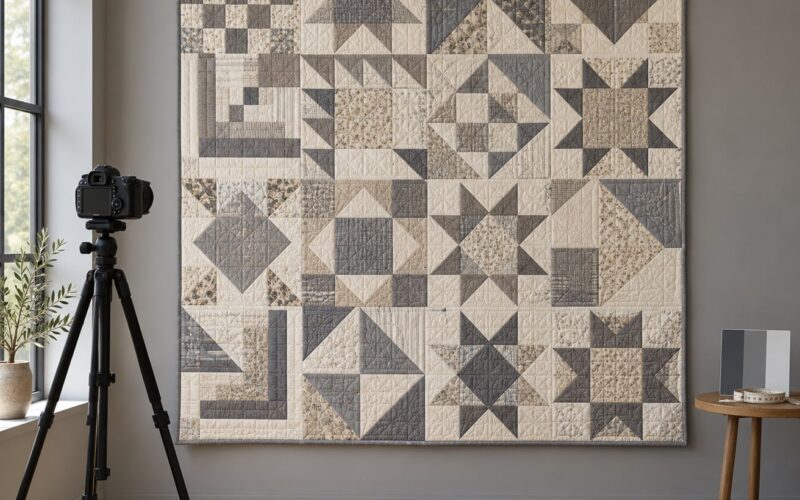
How to Photograph a Quilt Without Glare in 2026
How to photograph a quilt without glare in : one large soft light at 45 degrees, a tripod, and a polarizer for…
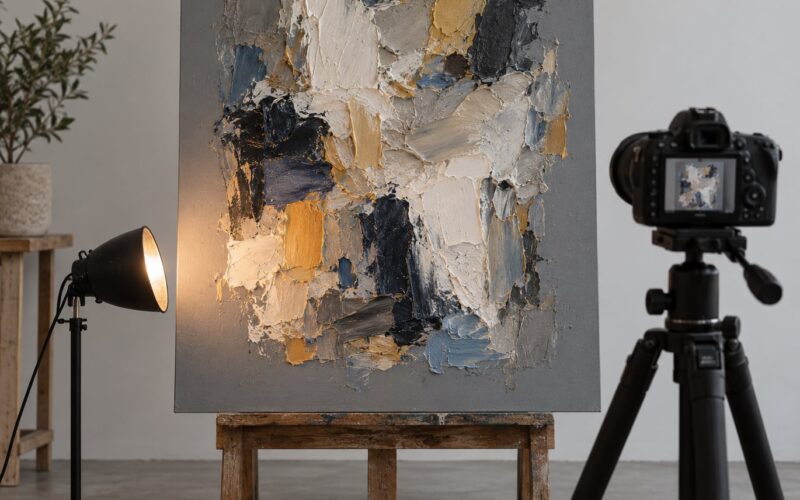
How to Photograph Textured Artwork: Proven Tips (October 2026)
How to photograph textured artwork in so impasto and knife marks read as real relief: raking light angles, camera settings, glare control,…
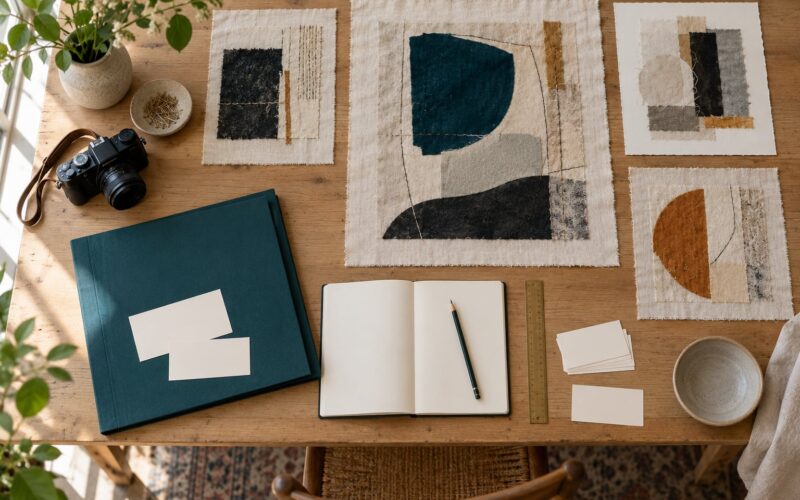
How to Label and Catalog Your Artwork (October 2026)
Learn how to label and catalog your artwork with a practical system for inventory numbers, catalog records, photos, storage, backups, and sales.
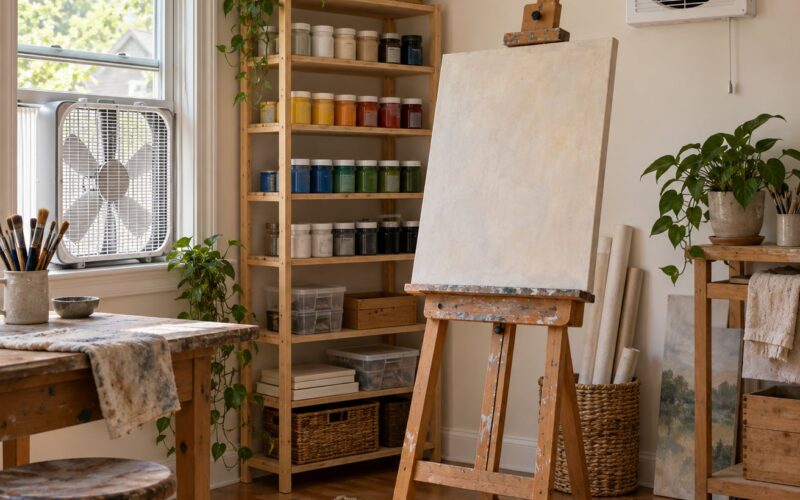
How to Ventilate a Home Art Studio: 7-Step Guide (2026)
Learn how to ventilate a home art studio in : airflow paths, window fan setup, capturing fumes and dust, humidity control, and…
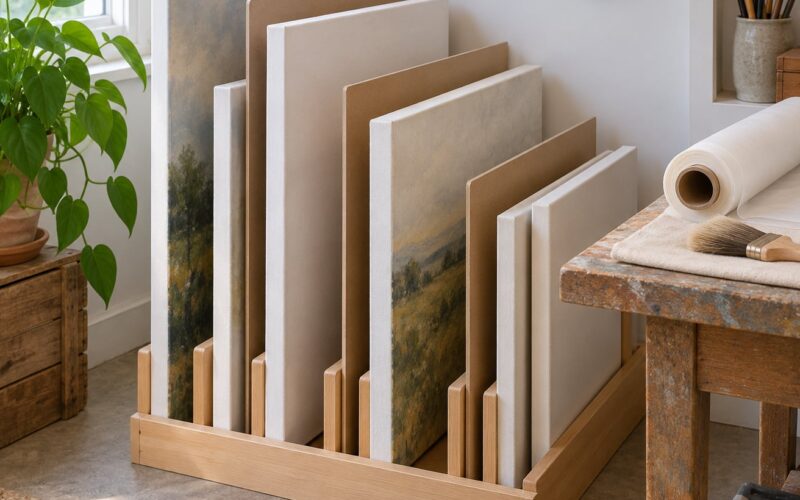
How to Store Canvases Without Damaging Them (2026)
Learn how to store canvases without damaging them in : wait for full dryness, separate every surface with acid-free barriers, and hold…
Most of what you will read here starts as a problem on the table: cloth that will not sit flat, a pigment that dries three shades lighter, a wood cutout that wants one more coat.
Those get written up the way you would explain them to someone standing beside you — the materials, the order of work, the part that went wrong — so it can go straight back to your own bench. Nothing here assumes you went to art school.
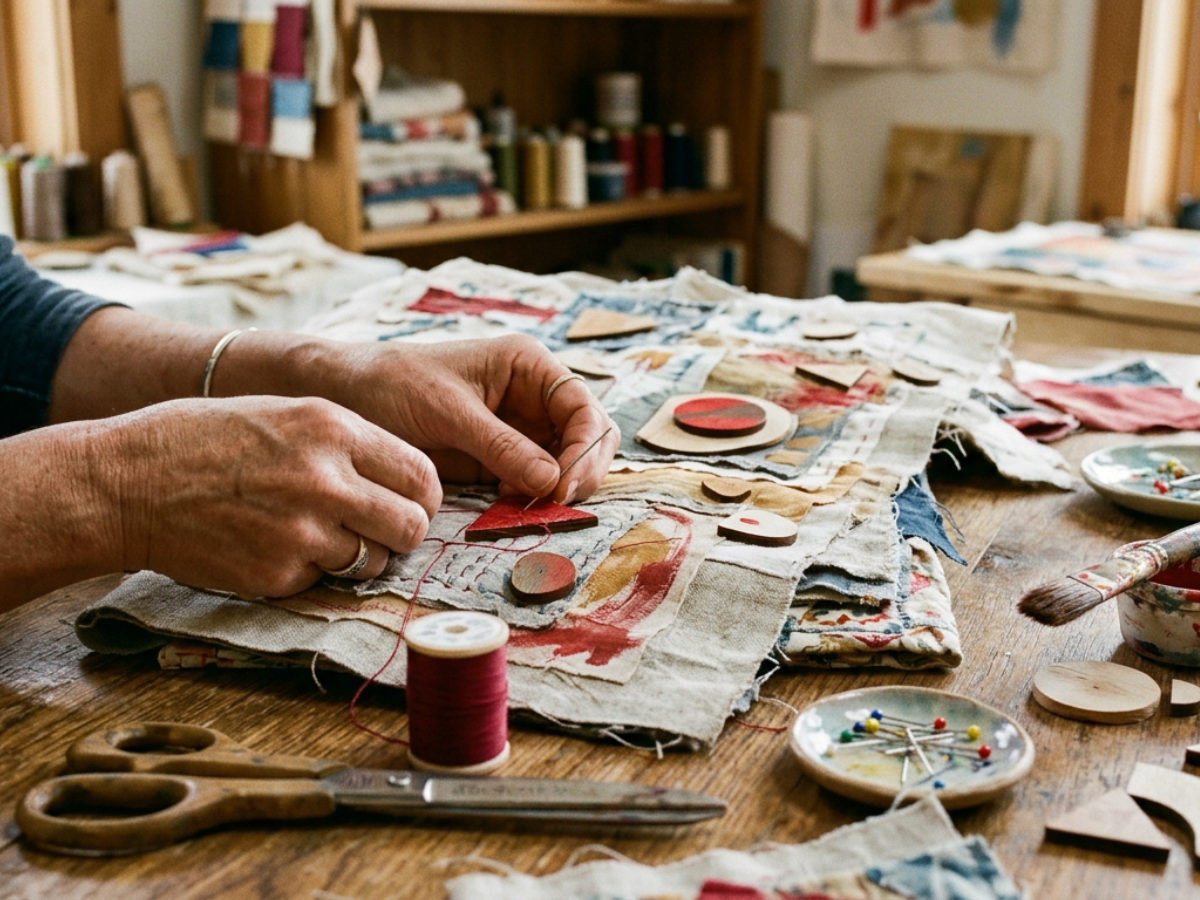
What this notebook is for
Josie L Roebuck is a studio notebook for textile and mixed-media practice — fabric, stitch, pigment and wood — written for makers, students and teachers rather than gallery critics.
It starts with technique and materials, and widens with the work: studio habits, tools and the practical side of keeping a practice going.
More about this site